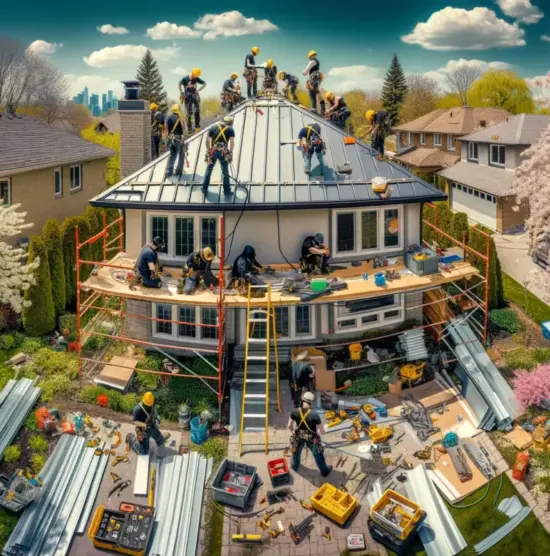
Metal tile roofs resemble traditional clay or concrete tiles, but have many benefits: lightweight, resistant to extreme weather conditions, and many color and finish options.
The most popular choice among Ontario homeowners.
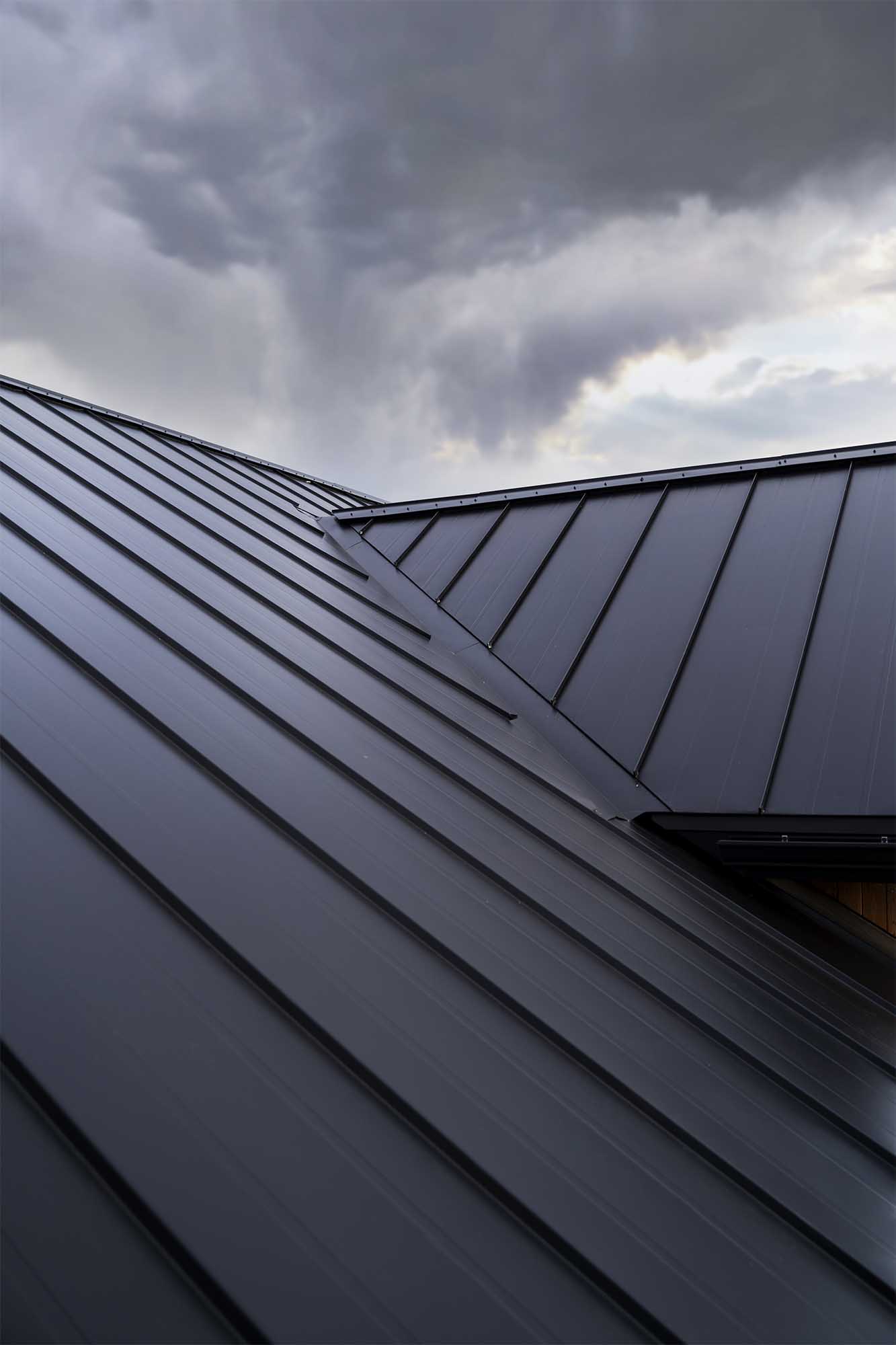
Standing Seam Roofing
These roofs demonstrate tremendous resistance to harsh climate conditions, making them suitable for all Canadian climate zones. Often chosen for their minimalist appeal, conducive to modern decor.
Metal Shingles Roofing
A flexible solution that combines the visual appeal of traditional roof tiles with the durability of metal materials. Available in a variety of styles that mimic the design of asphalt, wood, or slate shingles.
AG Panels Roofing
Mainly used in agricultural and commercial sectors. Features a core corrugated shape for superior strength and stability. Ideal for rural businesses including barns and farm buildings. Available in a variety of colors and finishes.
About Us
Welcome to the professional roofing company!
We specialize in the installation of any types of metal roofs in Mississauga, Ontario. Renowned for their durability and energy efficiency, steel roofs are an excellent choice for both residential and commercial buildings in the diverse climate of Canada. King Metal Roofing company prides itself on using high-quality European materials (galvanized steel) and providing exceptional craftsmanship, ensuring that each roof is not only aesthetically pleasing but also long-lasting and weather-resistant. King Metal Roofing is a go-to provider with huge experience for those seeking reliable and sustainable roofing solutions in the Greater Toronto Area at the best price.
Installation steps
5
Final Inspection
Comprehensive inspection to ensure correct installation, structural
integrity, and watertightness.
4
Metal Panels Installation
Secure attachment of metal panels to the strapping using
screws, following a specific installation pattern based on the chosen metal roofing
system.
3
Lumber Strapping
Installation of wooden battens to create a robust framework for
attaching metal panels, providing structural support, and aiding in insulation and
ventilation.
2
Material Preparation
Cutting and shaping metal roofing materials according to specific
measurements ensures precision and installation readiness.
1
Roof Inspection
King Metal Roofing examines the existing roof to identify underlying
issues, ensuring a solid foundation for the new installation.
The use of metal roofing in the residential sphere is experiencing a significant upsurge, stimulated by its multitude of advantages. This transition primarily stems from growing cognizance among homeowners the perpetual value and superior performance that metal roofs provide compared to other materials. Originally, industrial and commercial structures were more likely to employ metal roofing due to its tenacious durability and robustness. Nevertheless, recent times have witnessed an emerging inclination towards incorporating it into household settings as increasing numbers of homeowners recognize its superiority over standard roofing substances.
Potential lifespan
The numerous beneficial attributes of metal roofing are worth considering. Foremost, its longevity is unmatched; a metallic roof has the potential to endure for half a century or more, markedly exceeding conventional materials such as asphalt in lifespan.
Extreme weather resistance
Metal tiles also garner high scores on weather resistance. Withstanding Canada’s severe climatic conditions like heavy snowfall, hailstorms and robust winds effortlessly – thereby affording homes increased protection.
Energy savings
On the energy efficiency front too, these roofs excel by reflecting solar radiant heat which can potentially diminish cooling expenses up to 25%, and heating expenses in winter up to 30%.
Colours and coating
In terms of visual appeal, there has been substantial evolution in metal roofing offering myriad styles and color palettes that seamlessly blend with various architectural designs. Notably low maintenance requirements further enhance their allure among homeowners: they repel mold and mildew effectively while being intrinsically resistant to corrosion – thereby cutting down on preservation costs significantly.
Recycled components
Lastly but importantly lies their commendable environmental compatibility aspect: many times crafted from recycled components- all types of this type of roof are entirely recyclable ensuring sustainability par excellence! These holistic advantages justify why opting for slightly pricier initial investment into metal roofing presents itself as a sagacious decision facilitating long term benefits.
Asphalt Shingles Roof
For ages, asphalt shingles have been the preferred roofing material for a majority of residential structures in Canada. Their cost-effectiveness coupled with an uncomplicated installation procedure makes them quite popular amongst homeowners. Notwithstanding this extensive usage, contemporary materials like metal or solar panel roofing are increasingly overshadowing asphalt shingles. This change can be attributed to the shorter lifespan and susceptibility of these tiles towards environmental influences. Given Canada’s climate extremes – from scorching summers through frigid winter snowfalls – it is becoming apparent that asphalt shingles may not necessarily offer utmost durability or efficiency as a roofing solution.
Among the major defects of asphalt shingles is their vulnerability to harm from raccoons and squirrels. These creatures can effortlessly rip through these roof coverings in order to access attic spaces for refuge or nest-building purposes. As a result homeowners need to make regular and expensive repairs. Furthermore, asphalt-based shingles do not exhibit significant resistance against extreme climatic circumstances; exposure to freezing temperatures might lead them towards fracturing while heat may render them fragile whilst also causing granular loss, weakening their protective properties.
Solar Panels Roofing
The incorporation of solar panels into roofing is an advanced and increasingly favoured method in the field of roof construction, especially amongst homeowners with a keen sense of environmental responsibility. The primary advantage offered by this type of roofing lies in its ability to generate renewable energy, which leads to substantial electricity cost savings over time. This proves particularly beneficial for locations that are bathed in plenty of sunlight throughout most parts of the year. Also, roofs fitted with solar technology contribute significantly towards trimming down household carbon emissions – a stance that resonates well with growing global concerns about environmental preservation and our planet’s gradual pivot towards reliance on green sources for generating power.
The integration of solar panels and metal roofing presents an optimal strategy when contemplating the deployment of a solar energy system. The robustness and durability inherent in metal roofs make them particularly suited to bear the weight of such installations, while also being capable of enduring additional external pressures. Moreover, there’s congruity between the lifespan characteristics of both entities – with neither requiring regular replacement or maintenance exercises due to their long-lasting qualities.
Flat roof
Flat roofing, noted for its minimal incline, is a unique style of roof that has gained traction in certain sectors due to its exclusive benefits. An outstanding characteristic of flat roofs lies within their architectural flexibility and simplicity. They present a sleek, contemporary appearance easily malleable to several building aesthetics. Flat roofs are especially apt for vast structures because they simplify construction and maintenance on an extensive scale. These types of rooftops provide additional space that can serve multipurpose uses including rooftop gardens, terrace spaces or even supplementary solar panel installations. This efficient use of space proves particularly useful in urban settings where land area might be scarce. Furthermore, the cost-effectiveness associated with constructing flat roofs both materially and financially makes them appealing options specifically tailored towards larger ventures.
Flat roofing predominantly garners preference within commercial and industrial sectors, due to its sector-specific advantages. The layout of flat roofs facilitates the straightforward installation of substantial HVAC systems along with other vital industrial equipment – a necessity in most commercial edifices. Furthermore, their accessibility and ease-of-maintenance render them ideal for businesses where routine inspections and repairs are critical elements contributing towards optimum operational efficiency. While not as prevalent in residential architecture, there is an increasing trend towards incorporating flat roofs into contemporary minimalist home designs; this especially applies to urban townhouses or apartments where optimizing available space is key.
Concrete Tile
Recognized for its distinctive aesthetic charm and sturdiness, concrete tile roofing is a long-lasting and resilient selection. These tiles are manufactured from a blend of cement, sand, and water that undergoes intense pressure and heat to form an impressively hardy densified tile. The resilience these materials exhibit against extreme weather conditions like heavy rainfall, strong winds or even fire makes them remarkably dependable especially in areas subjected to harsh climatic patterns. Moreover, applauded for remarkable insulative capacities they possess. Concrete Tiles aid houses remain cooler during summer while retaining warmth when winter sets thus promoting efficient energy use overall.
Despite their benefits, there are significant drawbacks associated with the use of concrete tile roofing. Among these is the considerable weight they carry, making them heavier than other types of roof materials. This often necessitates additional structural reinforcement—especially in older buildings or those not designed initially to handle such a load.
Moreover, although renowned for durability, concrete tiles aren’t invulnerable to degradation over time – they may become porous thereby leading to water infiltration that could result in leaks if unaddressed promptly. These issues mandate frequent maintenance work aimed at sealing and safeguarding the tiles which invariably increases long-term upkeep expenses.
Also noteworthy is their propensity towards moss and algae proliferation particularly in humid climates; hence increasing cleaning requirements as well as overall maintenance efforts.
Different Roofs Weather Resistance
When assessing the climatic durability of different roofing structures, it is clear that metal roofs exhibit widespread resilience under harsh conditions. Conventional materials such as asphalt shingles are popular but don’t fare well in comparison.
Asphalt shingles have a high vulnerability to weather-related damage, including potential harm from heavy precipitation, hailstorms and radical temperature changes which can result in splitting, warping or even total detachment.
Despite their sturdy nature concrete tiles may undergo water infiltration leading them to crack during intense freeze-thaw cycles.
Roofs with solar panels offer energy-saving benefits yet demand an enduring base capable of resisting inhospitable climates due to susceptibility towards severe hail or violent winds damaging these structures.
Flat roofs serve specific purposes efficiently however they might encounter issues like water stagnation and formation of ice ridges particularly within regions experiencing significant snowfall.
In comparison, metal rooftops have displayed a remarkable endurance under various severe climatic conditions. Not only are they impermeable to precipitation and hailstones, but metal roofs also prove their mettle in dealing with substantial snowfall and ice due to the slick surfaces that promote effortless sloughing off of snow thereby mitigating risks associated with ice dams or damage from heavy loads. Besides these features, one cannot ignore their robust structure which offers impressive resistance against strong winds often seen during cyclones and tornadoes. These types of roofing systems being non-flammable provide an added layer of safety in regions vulnerable to fires too. Furthermore, in seismically active areas where earthquakes abound, these lightweight yet solidly built roofs reduce potential hazards significantly; this makes them highly resistant across different weather extremes.
The durability coupled with its long lifespan while requiring minimal upkeep propels metallic rooftop solutions into becoming shrewd investments for those on the lookout for reliable as well as enduring roof structures.
Financial consideration in roof replacement
When assessing the fiscal implications of roof replacement, it is vital not to be shortsighted by focusing solely on the initial expenditure but rather emphasize long-term value and effectiveness.
While conventional roofing materials such as asphalt shingles may seem financially appealing at first glance, they frequently encompass unforeseen expenses over their lifespan due to their limited longevity and vulnerability to environmental damage.
In a similar way, concrete tiles have high durability yet can become expensive owing to additional structural reinforcement requirements and continuous maintenance needs.
Solar panel roofs provide substantial energy cost reductions in the long run; however, they demand considerable starting capital outlay along with sturdy and durable base infrastructure like metal roofing for extended service life assurance.
Flat roofs might attract certain demographics because of aesthetic preferences or other reasons but these too often come with increased care costs attributed mainly towards problems related like water accumulation leading potentially leakages.
Final Thoughts
From a broader perspective of financial prudence, the cost of metal roofs appears to be a better option. While their upfront expenditure surpasses that of conventional materials, the robustness and lifespan extension afforded by these metallic shelters significantly curtail expenses associated with repairs and replacements – leading to considerable long-term cost benefits. Moreover, combining architectural elegance with rugged resilience enhances the overall attractiveness making it appealing to potential buyers which in turn can heighten resale value – offering an ROI seldom seen in other roofing provisions.
Therefore, when weighing factors such as intelligent financial planning alongside increased ecological contributions or heightened asset worth while contemplating roof replacement options—metallic coverings distinguish themselves as unrivaled choices among homeowners.
Reach out to King Metal Roofing today for a complimentary quote; take advantage now by locking in our low rates designed specifically for the winter season!
But as well as shedding snow, metal roofs can often cause another danger: rapid release of large amounts of snow, which are a risk to those on or beneath them and any attached structures. Injury and damage to gutters, landscaping and adjacent areas threaten when snow and ice falls rapidly. This is where snow guards come into play. Typically installed by King Metal Roofing, snow guards are devices that effectively break up snow as it melts and allows it to descend in small, more manageable waves, rather than unstable avalanches. By regulating the descent of the snow and ice, free-flowing snow guards keep the risks caused by the heaviest of snowfalls mainly in check.
Lastly, and most significantly in regards to winter care, de-icing salts during this season should be used with caution, as they will indeed melt away ice, but by the same token expedite the corrosion of metal components, ultimately undermining the integrity of the roof as well as its appearance. Alternative ways of de-icing or at least some products built on metal-roof-friendly technology might be considered instead.
Be aware of the insurance conditions
In northern Ontario during the winter period, snowfalls often result in an increased number of weather damage claims for insurance companies. Due to these difficulties, insurance companies recommend that homeowners check the condition of the roof regularly and follow a rigorous maintenance programme.
Recommended actions include clearing snow from roofs and maintaining unobstructed flow of water from gutters and downspouts.
Such pre-emptive measures also reflect the desire to protect the contents of the house, since although insurance is a safety net against unforeseen calamities, it imposes responsibility on the homeowner.
The reliance on insurance as a fallback can sometimes lead to unpleasant surprises for policyholders, especially when they discover that their coverage does not extend to certain winter-related damages.
Pete Karageorgos, speaking to CBC.ca as the Director of Consumer & Industry Relations for the Insurance Bureau of Canada, emphasizes the importance of homeowners engaging with their insurance representatives. This interaction ensures that homeowners are fully informed about the specifics of their coverage, including what types of damage are covered and under what circumstances. Karageorgos’s advice serves as a crucial reminder that the fine print of insurance contracts can spell the difference between comprehensive protection and out-of-pocket repairs.
Therefore, understanding the scope of one’s insurance coverage before disaster strikes is not just advisable but essential. It positions homeowners to take preemptive actions to protect their property and belongings, backed by the knowledge that their insurance will step in when necessary, within the defined parameters of their policy.
10 Tips for Safely Removing Snow from Your Roof
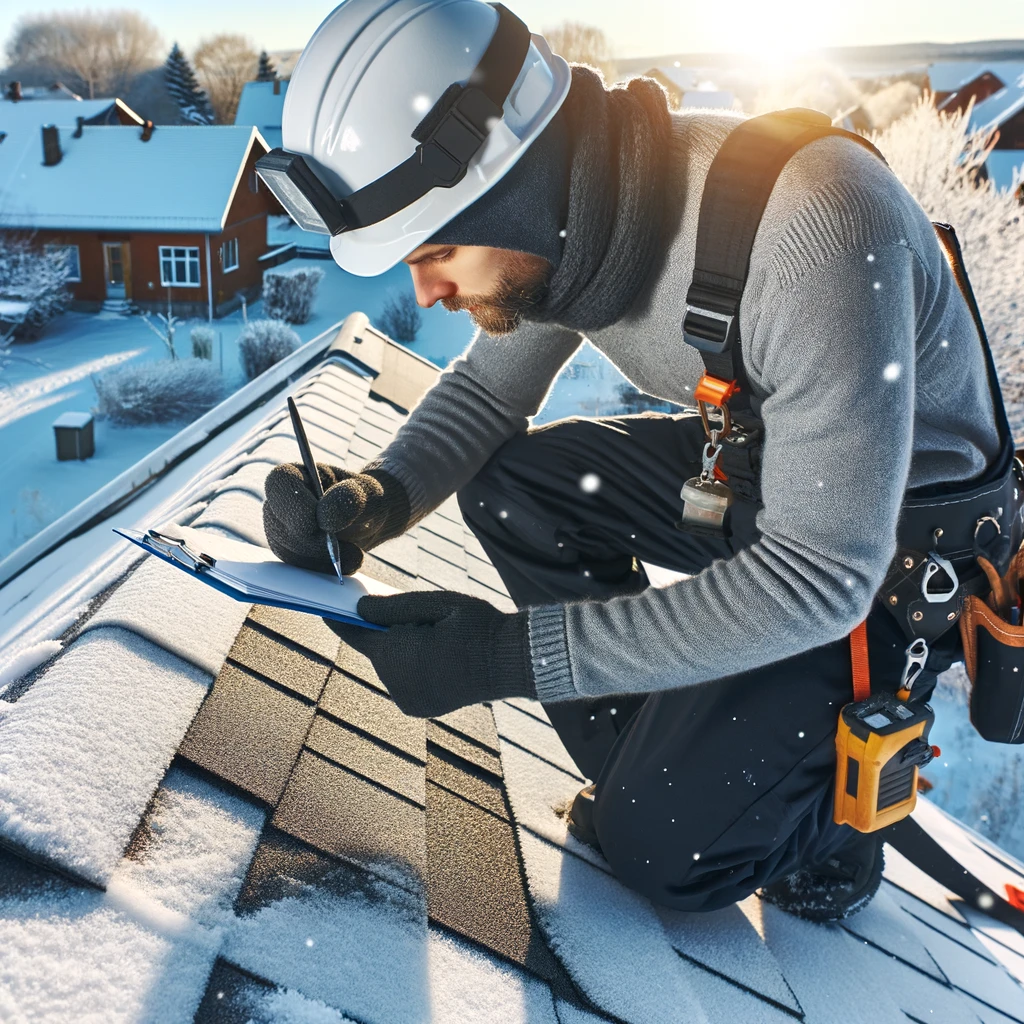
One of the most important winter maintenance tasks is the removal of snow from your roof. If not done properly, it can lead to damage to your home.
Go with someone else: Never head out on a hike all by yourself. At the very least, you’ll have someone to help you track safety or manage your equipment. At the very most, they can call for help if and when you meet an unfortunate end.
Winter-weather wear: insulated, waterproof clothes should be worn to guard against the cold and wet weather.
Install snow guards, which help control snowfall and can limit large, dangerous sloughs of snow.
Go on your roof only as a last resort. If possible, stay on the ground and use tools that let you remove snow without going up on your roof.
Keep off your pitched roof: Climbing on a pitched roof covered in snow is very dangerous.
Leave at least 10 cm (4 inches) of snow on your roof: Removing all the snow from your roof will make it impossible for future snow to melt and flow naturally because you removed all the paths in the ice through which snow melting on the surface can flow into the drainage channels on the façade. Do not pack the snow on your roof to eliminate all of its surface friction. In such a case, melt water will remain on the roof, run down the fasade, get into the cracks on curtain walls, and damage the underlying protective layers.
No Sharp Tools: Use a wooden or plastic shovel instead for shovelling snow as metal can scrape or puncture the roof covering.
Watch for Falling Snow and Icicles: it can be hazardous to anyone below.
Don’t Ever Shovel Snow by Hand: Your roof is not a frying pan.
Watch Measurements of Snow Depths: Best practices recommend removing snow when it gets to a depth greater than 20 cm (8 inches) in thickness to lessen excess weight and pressure on your roof structure.
Perhaps, most important, if you follow these tips, ladders, buckets and your house will all survive the winter intact. Always prioritize on the side of safety and if you feel like you’re venturing into that grey area where every choice seems a bad one, dial a professional service that is experienced in roof maintenance.
Conclusions
Winter roof maintenance and the steps that homeowners in northern Ontario and other cold-weather areas can take to reduce the risk of winter damage. From practical maintenance tips for snow removal from roofs to how insurance works to provide a safety net if things go wrong, the bottom line is that prevention is the best mitigator of risk. Regular inspections, maintenance and a firm understanding of insurance coverage are key to keeping our homes safe from the ravages of winter. With these techniques, and the right insurance protection, we can go about our winter life with peace of mind.
A very old, weathered roof is also likely to be ready or even overdue for replacement when it has reached 15-20 years in age, especially older roofs in the GTA and in Ontario where our roofs are exposed to far more extreme weather conditions than in other parts of the country. This is typically demonstrated by faded shingles, cracked roof fixtures, worn valleys and general decrepitness that dramatically affects not only the roof’s appearance on the outside of your home, but also the roof’s functionality. For homeowners who are observant enough to see these signs, having a roofing professional perform a thorough examination to see whether repairs can extend the life of your aging roof, or whether replacement is the best course of action to keep your home safe, energy efficient and fully protected from the rigours of the Ontario climate, is well worthwhile.
Unwanted Houseplants (Moss)
However, the presence of moss on a roof isn’t simply a cosmetic problem; rather, in the damp, moist temperate environment of the Niagara area in Ontario, it can be a harbinger of an ignominious end for roofing materials. Moss grows well in a damp, shady environment, and its presence on roofs can result in it acting like a sponge, trapping moisture against the roofing surface. Over time, this constant dampness can be enough to erode the structural integrity of asphalt shingles, wood shakes, and other types of roofing materials, gradually rotting or otherwise compromising their ability to maintain buildings and keep humans warm and dry. Like tendrils, moss roots can also curl up and curl over shingles as they grow, lifting them from their moorings and forcing themselves between shingles and slates. In doing so, valuable gaps can be created – gaps that, along with underlying damp, can allow water to flow into buildings and cause unwelcome water damage. This problem is exacerbated by the fact that moss roots can also scour away bonding granules on the ridgelines of shingles, removing UV light-blocking compounds and enhancing resistance to fire damage.
Preserving the integrity and longevity of your roof also requires that you address the moss growing on the surface. The urge to scrape of the moss, or to blast it off your roof with high-pressure water (power-washing) is a common – but typically ill-advised – impulse. This is likely to do additional damage to the materials of your roof. Instead, contact a metal roofing contractor who can assess the situation and make a free measurement and estimate. Metal roofs will last at least 50 years.
Grit and asphalt shingle granules in the gutter
Finding grit and asphalt shingle granules in the gutter is not uncommon, but a homeowner in Ontario has to pay attention as it can be a warning sign. The worst it can do is cause premature granule loss. This kind of loss can be attributed to two phenomena: the normal wear and tear experienced by the asphalt shingles over time, and severe weather such as from hail, heavy rains or the merciless baking heat delivered each scorching summer day from the sun. As for the first point, the granules serve to protect the shingle from UV rays, among other things, as well as they help in giving the shingle its fire-resistant quality. When these bits begin to weather away and round up in the gutter, the shingle is no longer doing its job properly, and is exposing the underlayment to potential water infiltration as well as thermal exposure all in the name of roof failure. The lack of granules can cause a quicker demise of the shingle itself, which spells the end of that roof’s lifespan. If the side wall flashing is invisible, you have a problem. It will also reduce the insulation/thermal performance of your roof and, at worst, could cause your home to leak like a sieve.
Homeowners who see excessive granules in their gutters should consider it a reason to either inspect the roof more carefully, or bring in an expert such as a professional roofing contractor, to take a more serious look at the shingles. If the roof is older and massive granule loss is evident, this could be the time to replace the roof. Catching the problem early, by cleaning gutters and, at a minimum, doing a quick roof inspection, could go a long way to allowing the homeowner to plan the cost of a roof replacement when the time comes.
Rot or discoloration on the decking in your attic
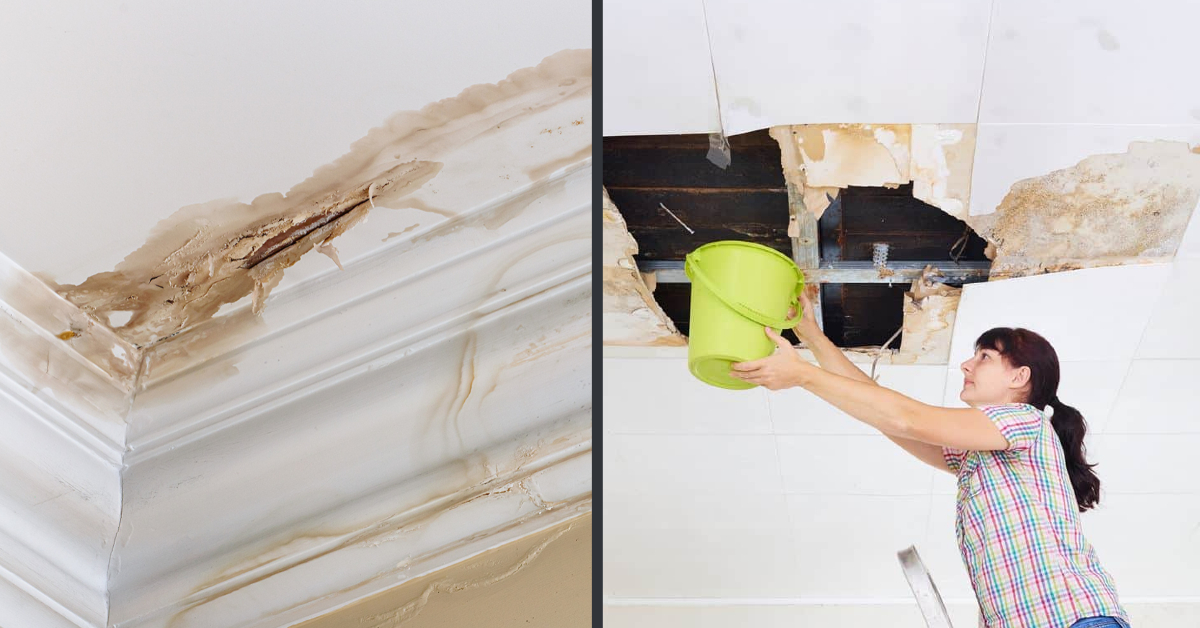
Rot and discoloration on the decking in your attic might be there to let you know that moisture-related issues in your roof have implications for the integrity of your house. Once into the layers of the roofing system and into the decking, the combined action of water and adverse conditions can lead to the rotting of the wood or the growth of fungi. This leads to the discoloration of the decking. Warning signs such as the discoloration found on the decking of your attic are usually neglected by many homeowners in their attic until they become left unattended and painful.
Simply eliminating the symptoms won’t stop rot or staining, which ultimately can compromise the integrity of your roof structure. If you see these symptoms, have your roof inspected by a roofing professional, who can help you determine the level of damage and identify the source of moisture – moisture drawn into, or trapped in, your attic. Depending on the circumstances, opportunities can present themselves to repair or replace damaged roofing materials, improve attic ventilation, or install more insulation to stop heat and moisture from entering the attic space. Sometimes, escaping water can be stopped in places where flashing has compromised, or where air leakage or roof penetrations require sealing around vents and chimneys. This is especially important in the Greater Toronto Area, where an overwhelming majority of houses don’t have adequate, effective attic ventilation.
Neighbours are getting new roofs
Often in the same neighbourhoods the roofing materials and styles might be ageing together. For buyers in the same area, you might be replacing your roofs at the same time. Working it so that you buy your new roofs together, especially a metal roof that lasts so much longer than standard shingles, might help you save group deals from suppliers and contractors. Your group might save $5000 for all of you. That’s a huge savings on a long-lasting, copper metal roof. This is a great way to bond your community with spirit and aesthetics. You can make sure your neighbours’ homes stand in match style and protection.
For those readers who are drawn by the economy of this route, a first next step would be to contact a company such as King Metal Roofing for a free quote – especially good if the neighbours pitch in and get a group quote. King Metal Roofing is a locally owned and operated metal roofing company with a focus on what works best for the Ontario climate – long-lasting, energy-efficient, and modern-looking. If neighbourhood homeowners were to do their roofs collectively, they can get a sense of the savings opportunity, both financial and time-wise. And engaging a single contractor who can install multiple roofs at once help to ensure consistency in quality and design; it will also reduce the overall project timeline. If homeowners pool their money – or work together to secure financing – the value of each house goes up, which in turns strengthens the resilience of the community for the next storm.
Conclusion
So in conclusion, learn to read the signs and know when your roof needs to be replaced. Knowing these various ‘tells’ can help you take a proactive step to keep your home safe, sound and energy efficient, where the buildings are most in need of adequate protection. From blatant signs such as the roof’s sagging, leaking, the presence of moss and the sight of cracked shingles, to more subtle signs such as granule loss in the gutters or the simple reminder of neighbour’s roofs reaching a decade or more, all of these ‘tells’ should be your cue to spring into action. Taking action to replace a damaged or antiquated roof will help pre-empt costly repairs, give your home a new aesthetic appearance, or help you get ready to put your home on the market for a premium price. Cutting cost on materials can be made by working with neighbours to place a bulk order, especially when making an upgrade like metal roofing. This type of roofing is not only healthy for your home, but with options like coloured steel, it is also healthy for the environment. The cool properties of metal lower energy costs while the aluminium content is recyclable. In the end, it is always better to invest in preventative care than deal with the fallout of needing roof repair. Check your rooftop – maybe it is time to take the plunge and get a new roof for your home?
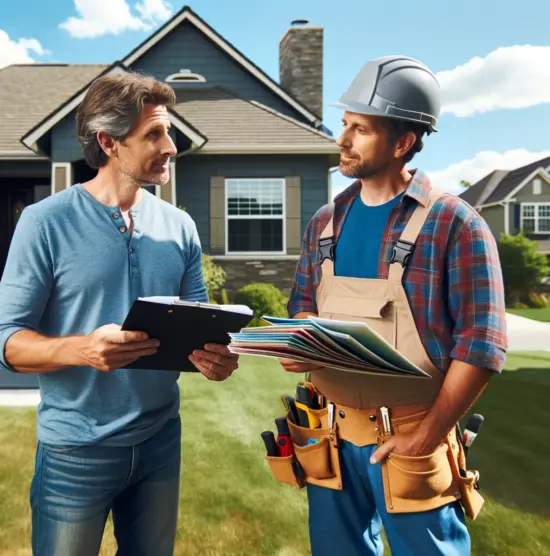
My best tip for emerging from the morass of roofing contractors when getting your roof is to avail yourself of local referrals. Talk to your neighbours, particularly those with recent roofing experience under their belts. If they are willing to speak highly of their contractor and recommend them for your project, it could mean that the contractor can keep his promises. This endorsement includes their contractor’s patience for challenges and deadlines, their devotion to clear and consistent communication, and their ability to take on the project in a way that is appropriate for your home and neighbourhood. In addition to developing affirmative references for potential contractors, local referrals also provide first-hand accounts of the type of service and outcome you can expect from someone.
Contractors who consistently get favourable referrals are more likely to want to uphold their earned reputation by providing the same or improved level of quality work going forward. Based on the wisdom of your neighbours, you are tapping into a contractor whose work has been vetted by people in your community – an extra assurance that you likely will make the right decision.
Don’t Hurry: Shop Around
If you don’t take your time to ‘shop around’ and compare prices, you are almost guaranteed to overlook some important details or miss out on a better deal. Obtain quotes from at least three contractors Once you’ve gathered your quotes, the experience will give you a better understanding of what the market landscape looks like in terms of pricing – and you also get a clear picture of the various levels of professionalism and approaches taken by the different service providers. In addition to the costs themselves, take note of how each contractor communicates with you, the level of responsiveness, whether they’ll provide you with breakdowns of the costs and processes, and so forth. This interaction with the roofers at the quotation phase is often a good indication of the service you can expect down the line.
Besides, if you insist on taking time to do your homework, the process opens up chances to get a sense of how different contractors’ human and professional qualities. You want a roofing contractor who is reliable, honest, transparent and quality-minded. How does he respond to your questions and concerns? Does he seem patient and informative, or dismissive and rushed? How knowledgeable and experienced is he with roofing projects like yours? The goal here is not to find any old contractor who can get the work done, but the contractor who can get the work done and who you feel confident will do so to your satisfaction. In carefully evaluating your options and making a comparison, you are more likely to end up hiring a contractor who is not only competent and cost-effective, but who shows respect for your home and your needs and vision.
Portfolio: Scrutinise Past Work
Viewing the contractor’s portfolio is likely the most important step in the journey to find a GTA roofing contractor, because it’s the clearest display of their workmanship, attention to detail, commitment to quality, and pride in each job completion. When you’re on the hunt for your roofing contractor, being provided with a total project gallery by your contractor is an amazing find! You’ll be able to see how they do their final installation work, how straight and true and clean each shingle or tile has been nailed in place; you’ll be able to judge their willingness to do things properly, thoroughly, with care and professionalism. The straightness and symmetry of a roof (viewed from the air) is a reflection of a skilled roofer’s mastery of the art and craft of laying down a roof. When you look at the roof you’ll notice how sharp and straight the lines are, whether the material is cut to the same length, whether the edges are perfect, and how well-fitting the flashing and coverings look on the chimneys and vents.
Also, pay attention not only to the style of the contractor’s portfolio but also to the variety and complexity of the projects. You should look for a portfolio that demonstrates a variety of projects; this will ensure that the contractor has run into a variety of issues in roofs and has had the opportunity to practice a variety of solutions. You’re going to be in a much better position to assess overall quality if you can locate pictures of roofs that mirror the architecture of your home or the material you’re applying to it. Additionally, you can be more diligent in your evaluation of the work by asking for references or a location to view particular work in person. This hands-on approach will give you a much clearer picture of what the work looks like in real life.
Transparent Estimation: Know What You’re Paying For
For the roofing industry and homeowners in general, a clear estimation constitutes one of the keystones of trust and clarity that shapes the upcoming undertaking whether it is as simple as installing a chimney cap or as daunting as replacing a roof. If you get a price from a roofing contractor, it must be clear and be well-thought out, and should not leave any room for doubt pro or con. It must be a comprehensive overview of the
scope of work to be done,
what will be done,
how it will be done,
the tools to use,
the materials to install,
the phases of the project,
the time frame by which the project should materialize.
This time frame part of the project is crucial as it gives the expectable window for completion of the work. Having a time frame allows for planning.
Also, the estimate should break down the labour and material costs so that you can clearly understand what each aspect of the job will cost you. Another very important feature of costing is that it allows a fair comparison among roofers. There’s no doubt that if you can see how much you are paying him or her for a particular job (if it’s clear and detailed, of course), you can more easily quash the dodgy ideas of a rip-off contractor, and compare estimates in a more objective manner. The payment scheme, including a deposit and the conditions attached to them, should also be clearly stated in the estimate. Likewise, how the roofer takes charge of potential property damages and job-related accidents should also be included in the offer. The roofer’s liability is of paramount importance. This feature may be one of the overlooked aspect of an estimate but you must consider it also. What if the roofers damage your valuable items in your garage or lawn? Having acquired the right and honest roofer, you may expect him or her to shoulder the expenses for repair work. But, of course, this point must be directly stated in the estimate. The cleaning-up work after, of course, or the final state of your property after the job should also be clearly stated. The matter of waste removal is another element that you must consider. The roofer typically includes this service, which means that your items from the garbage bins to the old roof will be removed from your property. However, it couldn’t hurt if this aspect is directly stated in the offer. The last thing that an estimate must directly state is the guarantee of work that the roofer offers for your wages. In the case of roofing work, this involves the quality and longevity of the roof that the roofer instals. This point is probably, and sadly, the most overlooked aspect of an estimate.
Contractors’ License: Ensure Legitimacy
The license number of a roofing contractor means they are a registered operator, which ensures an understanding of specific industry qualifications and their unique knowledge of local building codes and regulations. The process of becoming licensed is not an easy one. Anyone who is granted a license is considered to be at least somewhat reputable, if not highly qualified. It offers a guaranteed level of security that the person contracted for the building or repair is not only professional but also a legal applicant who will not create problems, now or in the future.
Insisting on a license number as well as verifying that number with the proper local authorities prior to signing any contract will provide an added level of protection against fraud, ensure that the work is done according to local law, and ultimately keep your roof safe – both inside and out.
Proof of Insurance: Protect Yourself
Given the risk of inheriting a huge bill to cover medical expenses if a worker were to get hurt on your property, checking that your prospective roofing contractor has adequate insurance should be top of mind. The range of coverages you should check for include workers’ compensation and liability insurance. Workers’ compensation coverage protects you from bearing responsibility if a worker gets injured on your premises. Liability insurance covers damages to your property that may arise during the roofing process. If your prospective contractor does not carry such insurance, your responsibility for any accident or damage that happens on your property will be significant. Therefore, don’t hesitate to request proof of insurance and follow up with a call to the contractor’s insurance provider. Due diligence, peace of mind, and the security of a roofing investment all benefit from this simple step.
Customer Reviews: Gauge Reputation
Scour the customer reviews. We recommend that you not only look at the products the Contractor offers but also, to find out more about the Contractor’s reputation, to read the customer reviews and testimonials. Reviews from their past clients give you an insight to the dependability of the Contractor, the quality of their work, and their customer service. You get to see how their workmanship has been depicted in many scenarios that may apply to your specific circumstances. If there are many positive patterns that you commonly see in the reviews – for example, professionalism, arriving on time, high-quality workmanship, and excellent two-way communication – it could indicate that this Contractor is a good bet. On the contrary, if there is an ongoing negative pattern, it could be a warning sign. Reviews from review sites, Google maps, social media, direct contact or references, can all be sources. In today’s day and age, a Contractor’s online reputation is just as important as having a personal referral and is one more consideration that you should keep in mind when deciding on a GTA roofing contractor.
Materials & Warranty: Long-Term Considerations
While material choices are being made before your very eyes with your roofer, such as shingles and seamless metals, and warranties and terminology are being thrown around like gibberish, think long term, at least for your home. Materials, as a roofing type, will provide you with an expected lifespan – some viewing this with longevity, others not so much – tempered by aesthetics and performance; this material will complement your region as it does your taste. If you elect traditional asphalt shingles, you will have a cheaper material plus aesthetic and energy benefits. On the environmentally conscious side of the spectrum lies green roofing, utilizing a plant life form as your shingle.
You also have sleek metal as an option, utilising durability and recyclability, all with a lifespan being 50+ years and at greater cost. Regardless of the material chosen, it is incumbent on you or your professional to carefully consider both the lifespan of the material and the warranty offered. Be it a shingle company warranty that steers you to an installer or a qualified roofing contractor that offers a warranty that matches the material, all are dependent on one another. Remember, a robust warranty is nothing without knowing what that warranty covers, how long it lasts, and under which conditions it will be honoured. It is not a matter of if you are going to have an issue with your roof but when. A robust warranty may help you sleep better at night!
Tips for Homeowners: Making the Right Choice
Go Metal Roofing: If applicable, choose a metal roof installation. They are durable, and can provide solar heating in the winter and reflect that heat in the summer. Plus, they generally have a long warranty and require little maintenance.
Employing a local contractor provides a boost to the local economy and typically guarantees the best attention and follow-through – and it helps the local economy when you buy the paint rather than letting the contractor purchase it.
Written contract: Always get a detailed written contract, which should cover every detail of the project.
Questions to Ask Your Roofer
How long have you been in business?
Is your business local?
Are you a licensed roofing contractor?
Do you use roofing subcontractors?
Has your team been trained in my type of roofing?
Who will be the main contact for this project?
Does the estimated price include tax?
How will you avoid going over budget?
How long will my project take?
What will you do if there are unforeseen weather issues?
Will you protect my house and driveway from any damage?
What kind of warranty do you offer on your work?
What level of roofing insurance do you have?
Conclusion
In summary, choosing the best roofing contractor for your home in the GTA is an involved process, where a lot of homework, careful evaluation, and informed decision-making will culminate in a positive, long-term outcome.
First, you’ll need to educate yourself to some extent about the basics of roofing. Then, you can move to checking referrals, reviewing portfolios, making sure you have a clearly spelled-out estimate in writing, and so on.
Remember, the roof over your head is an emotional investment too, a key contributor to the aesthetic and usable value of your house; and homeowners deserve to take time to choose the best possible roofing contractor – someone with whom they’ve established a partnership, not just someone to ‘do the job’. Homeowners in the GTA should take comfort in knowing that following these pointers should help them make these important selections confidently and enjoyably, ensuring they get the right contractor for their expectations, vision, and values, and the safety, beauty and longevity of their home.
Metal Roofs: Advantages That Extend Beyond Durability
Unmatched Protection: Ontario throws its worst at our homes. A metal roof laughs in the face of those challenges, shrugging off relentless ice, searing sun, torrential rain, and hail. Even the risk of fire is significantly reduced in wildfire-prone zones.
Long-Term Value: While the initial investment might make you pause, the reality is that a metal roof pays for itself over the decades. Factor in its 50+ year lifespan, minimal upkeep, and the savings on energy costs, and metal becomes an easy financial choice.
Elevate Your Curb Appeal: Metal roofing has come a long way. From sleek, modern panels to profiles mimicking classic tile and even wood shakes, there’s a perfect look for every home. Boost your property value with a beautiful roof that sends a message of quality.
Enjoy the Quiet: Surprisingly, rain and hail are often less intrusive on a properly installed metal roof compared to the drumming effect on asphalt shingles.
Choosing the Right Metal Roof for Your Home
AG Panels: These no-nonsense panels prioritize function over form, making them perfect for barns, sheds, and cottages where budget-friendly protection is the top concern.
Stone-Coated Steel: Get the beauty of materials like slate or cedar, all with the unmatched strength of steel underneath.
Standing Seam: This versatile choice allows for sleek, contemporary lines or a traditional farmhouse feel, depending on the design of your home.
And More: Don’t limit yourself! Today’s metal roofing suppliers offer a dizzying array of styles. Collaborate with us to find your perfect match.
Why Professional Installation is Essential
The secret to a long-lasting metal roof isn’t just the panels themselves, but the skill that goes into the installation. Here’s why a pro matters:
Structural Integrity: Not all homes are automatically suited for the added weight of metal. As qualified contractors we guarantee your home can safely handle it.
Flawless Details: The areas where your roof meets vents, chimneys, and skylights are leak hotspots if not done right. Pros know the techniques to keep you watertight.
Aesthetics That Impress: A sloppy roof detracts from your home’s beauty. Expert installers ensure your roof has a polished look that elevates the overall value of your property.
Metal Roof Maintenance: Simple and Effective
Preventative Care: Regularly clearing your roof of leaves, branches, and debris prevents moisture buildup that can spell trouble for any roofing material.
Dealing with Scratches: Scratches happen. Touch-up kits matched to your roof color allow for quick fixes, preserving both the beauty and protective coating of your roof.
Moss Control (If Needed): Shady areas in humid climates might encourage moss growth. Specialized cleaners designed for metal keep your roof pristine without damage.
What Impacts the Cost of a Metal Roof
Roof Size and Complexity: The more square footage and features like dormers or multiple angles, the higher the installation costs will be.
Material Choice: Steel offers the best affordability, while premium materials like copper command a higher price tag. Factor in protective coatings, which enhance lifespan but increase upfront expense.
Installer’s Experience: Reputable, established roofing companies may charge more, reflecting their expertise. It’s wise to get several detailed quotes to compare. However, with us you will find the most adequate and balanced price tag.
Is a Metal Roof the Right Choice for You?
Ask yourself these questions to see if metal aligns with your needs:
Crave Longevity: Are you tired of replacing roofs? A metal roof might well be the last one your home will ever need.
Prioritize Energy Efficiency: Cut heating and cooling costs with the reflective advantage of metal, especially when paired with proper insulation.
Want Easy Upkeep: Weekends are for relaxing, not patching your roof. Metal roofs give you back your time.
Seek Maximum Protection: Metal is the undisputed champion for those in wildfire-risk areas or battling constant severe weather.
A metal roof isn’t just a home improvement project; it’s an investment in peace of mind, financial savvy, and the long-term beauty of your home. Stop throwing money away on temporary fixes. Explore the exciting world of metal roofing and discover a solution that addresses all your roofing needs while giving you a sense of confidence that comes with a durable and dependable roof.